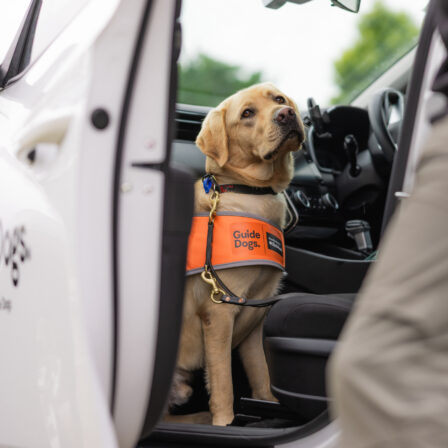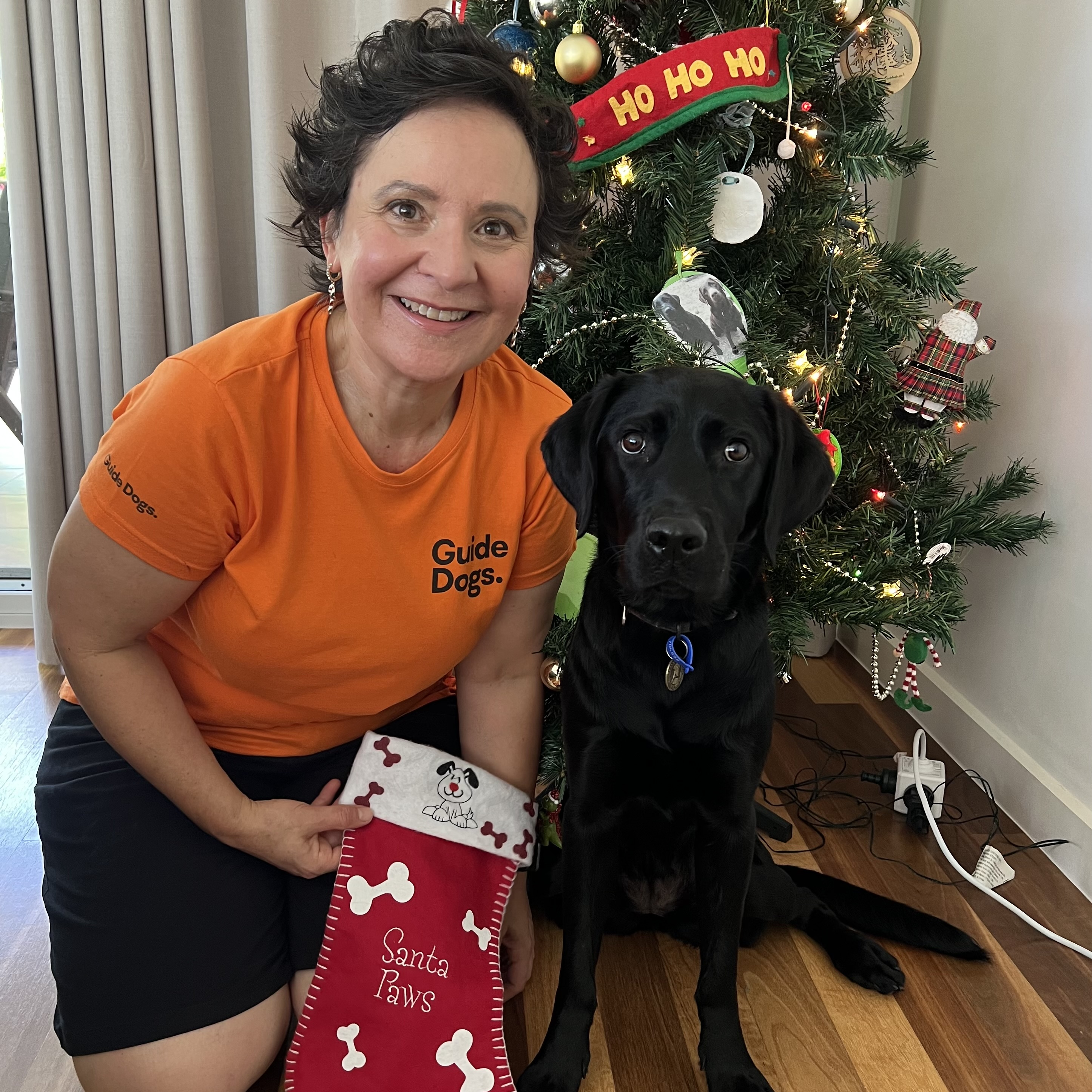
When you meet a confident, reliable Guide Dog, it’s easy to see the skill in their training. But what many people don’t realise is that the journey to becoming a Guide Dog starts long before training. It begins with a careful and deliberate breeding process.
Natalie, our Breeding and Reproductive Manager, recently attended the International Guide Dog Federation Conference, staying on for both the Breeder’s Workshop and the International Working Dog Conference. She came away proud to see how Guide Dogs Queensland’s relatively small breeding program is performing at an exceptional level. “From how we select and manage breeding dogs, to our health screening and whelping processes, we’re doing an excellent job across the board,” Natalie said.
One of the most exciting topics at the conference was new research into heritable eye diseases, as well as a global initiative called The Working Dog Project. Led by the Broad Institute at MIT, the project is working towards understanding the genetics that make different working dogs excel in their specific roles, from guiding and assisting to search and rescue. “Imagine being able to take a cheek swab from an eight-week-old puppy and know exactly which type of work they’re best suited for,” Natalie explained. “We’re not there yet, but the potential is incredible, and our program is already in a great position to contribute to that research.”
When it comes to selecting breeding pairs, working ability and temperament are always the top priority. “Sometimes people are surprised to hear that we prioritise this over health,” Natalie said. “Of course, we have strict health standards, but if we breed exceptionally healthy dogs that can’t work as guides, we’re just breeding expensive pets.” Every dog goes through thorough health checks including x-rays, heart ultrasounds, eye exams, and genetic testing. The team also works closely with other Guide Dog schools and private breeders to keep the gene pool healthy and varied.
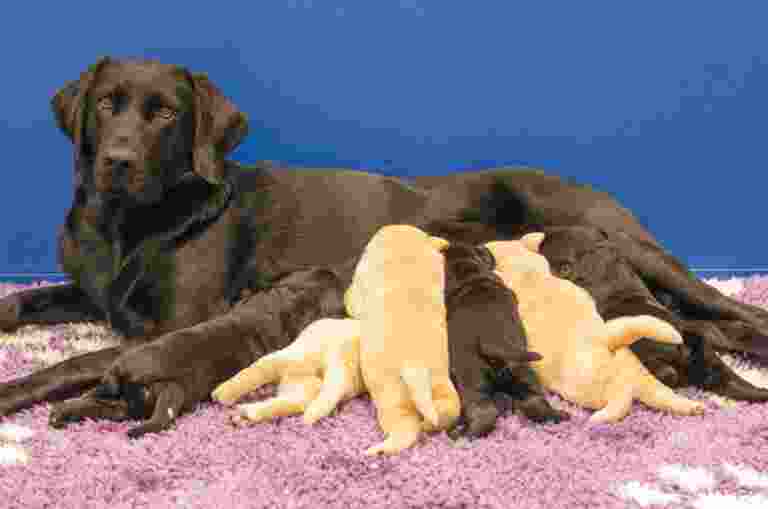
Breeding is a long and carefully planned process. Potential breeding dogs begin health and behavioural assessments around 12 months of age, with most having their first litter at around two years old. All breeding dogs live with loving carers in the community, coming to campus only for mating, health checks, and whelping. High-tech cameras in the nursery allow the team to monitor mothers in labour while giving them privacy, and each birth is attended by both the veterinary and canine care teams.
So why put so much time and effort into breeding? The answer is simple: our clients. By maintaining our own breeding colony, we can ensure high behavioural and health standards, which means more predictable and reliable working dogs for people with low vision or blindness.
Looking to the future, Natalie is excited about benchmarking our dogs against others by bringing in a puppy from a reputable Queensland breeder, with the hope of retaining her as a brood if she meets the criteria.
For Natalie, the role is deeply rewarding. “I’ve been here long enough now to see dogs I made breeding decisions about go on to guide people and change lives. It’s incredibly satisfying to see it go from a plan on paper to a real dog making a difference in the world.”